Check out Fanga Dan’s runs from the 2012 Red Bull Drift Shifters that took place in New Zealand. The event was completely judged electronically based on the angle and speed of the cars as they passed sensors on the course. Dan ended up getting third place in his Holden Commodore:
Network A has been following the adventures of professional Freestyle Motocross rider Ronnie Renner as he travels the world. It turns out Renner is a big electric motorcycle enthusiast. KTM offers him a chance to fly to their headquarters in Austria to check out their Freeride E. The Freeride E is essentially an electric version of a 250cc motocross bike making 30 hp peak and 62 foot-pounds of all rpm torque from its 300 volt AC motor. The dry technical specs aren’t impressive by gasoline engine standards, but the bike definitely moves in the hands of Ronnie:
Ronnie also is a US dealer for Stealth Electric Bikes. He bought one to ride around his neighborhood for fun and liked it so much that he started importing them. The Stealth Bomber he’s riding in this video has a 9 speed sequential transmission and a power output of 6 horsepower.
Japanese D1 pro drifter and JGTC pro driver Nobuteru Tanaguchi recently took his HKS tuned 500+ horsepower Toyota GT-86 to Tsukuba Circuit to test the new Yokohama AD08R tire with a time attack session. The car was driven in its D1GP specifications which is more of an all-around balanced setup. HKS decided to tune the stock FA20 engine with one of their GT superchargers instead of retrofitting a Subaru EJ25 like Ken Gushi’s Formula D and Tetsuya Hibino’s D1GP cars. The AD08R’s ended up being 2 seconds a lap faster than the Yokohama AD08’s. I believe Tanaguchi now holds the FT-86 record at Tsukuba for street and semi-slick tires with this car.
Tanaguchi also had to see how the tires did while drifting:
One of my goals with this blog has been to promote the idea that do-it-yourself can mean much more than just turning your own wrenches. Chances are if you truly love this automotive hobby, then you have the ability to take part in the design and engineering process simply through sheer experience and/or enthusiasm. You don’t have to have an engineering degree or be a professional engineer to be effective. We live in exciting times because the world of rapid prototyping is within grasp of enthusiasts. Why is that such a game changer? The old way of doing business that we’ve inherited from the industrial revolution is that of mass production. Come up with an idea for a product and immediately throw a patent on it. Then, refine it so that it can be used by the most people (compromise) and then invest a substantial amount of money in tooling and molds so that you can make a zillion of them to sell to recoup your initial investment and turn a profit. Rapid prototyping uses digital information (CAD models) to power universally flexible machines like CNC mills, CNC routers tables and 3D printers to produce products in single batches. This technology completely diminishes the infrastructure that used to separate having an idea and turning it into a physical product and that’s a game changer. It also allows high levels of customization since production batches as small as one are now profitable. We are on the cusp of a huge paradigm shift in the way a lot of people conduct business. The information age has finally made its way into manufacturing and we are all going to benefit from it. Check out this TED talk to see how open source design and creative commons have changed the world of architecture:
I think the same concepts can be applied to engineering, specifically automotive tuning/modification/hot rodding. I’m working on putting together software, tools and processes where enthusiasts can gather and design their own aftermarket parts to make their cars better. It should be an exciting time for sure, so stay tuned. For now I recommend you check out this book: Makers: The New Industrial Revolution by Chris Anderson.
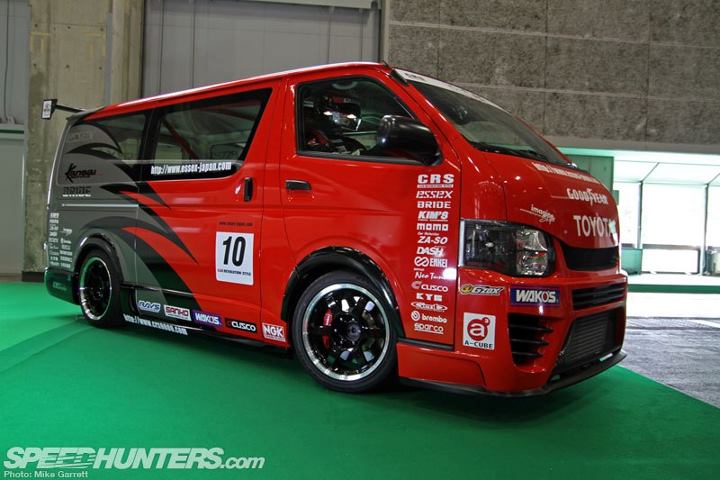
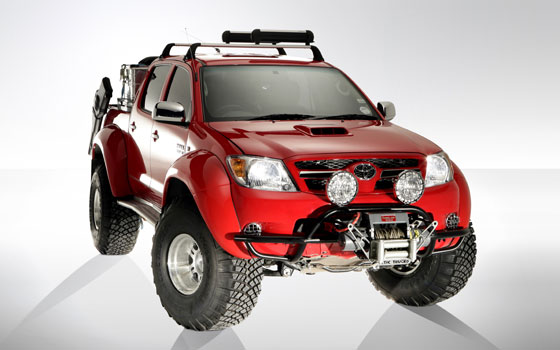
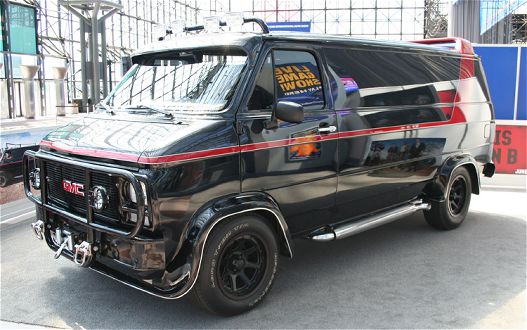
Toyota has several amazing models that are sold internationally but not here in the US. I think they would be commercial successes here with little to no modifications on Toyota’s part outside of passing emissions and crash test standards. The Hilux diesel should be the top priority and then there are these Hiace vans. All of the Japanese carmakers have recently tried to revitalize their van sales by with restyling and slightly sportier options. I’m sure soccer moms everywhere appreciate the effort, but I think we’re ready for a return to the glory days of the masculine van. I’m not advocating for this simply because I’m a huge A-Team van fan. These vans would fill a niche that we won’t let trucks fill. There are a lot of people who daily drive pickup trucks because they occasionally need to haul bulky objects the do not fully utilize the gross vehicle weight and towing capacities that heavy body-on-frame construction affords. What the average consumer needs is something lighter, more efficient and more flexible which really should be a unibody pickup truck. We’ve seen a unibody truck here in the US in the form of the Honda Ridgeline which is a great vehicle but a huge sales failure. The reason why it didn’t sell well was due to the fact that the pickup truck is too sacred of an institution to us to soften with unibody construction and storage bins. That’s where I think masculine vans like the Hiace can fit into the market. Here’s something that has the utility to haul larger things, is good on gas and most importantly is cool to drive in a different way than a pickup truck is cool to drive. Toyota sells them with mid-size gas and diesel engines in automatic and manual. I will be trending #MasculineVan on Twitter to convince the world that this is good for them. In the meantime here is a Toyota Hiace drift van built by Japanese tuner Car Revolution Style: