Cool Flames in Space May Improve Combustion Engine Efficiency

Scientists on the International Space Station may have found a way to improve internal combustion engines with some zero gravity flame experiments. It turns out gravity is a huge factor in forming the shapes of flames. As combustion happens, the exhaust gases get hot and rise which creates a current that draws fresh air in from the bottom of the flame. It’s this air current that causes flames to flicker upwards and to burn much hotter and faster thanks to the constant supply of fresh air.

As we saw with Bubbles and Anti-Bubbles in Water, air density has little effect in space. What does that mean for combustion? Without the ability to to produce convective air currents, flames burn completely differently. The exhaust gases naturally dissipate in all directions and at slower speeds. Without the rising hot air pulling it upwards, the flame takes on a spherical shape. It also burns much cooler since it’s not being constantly force fed fresh air.

These Cool Flames are what have scientists interested. We’ve barely been able to create them here on Earth, but it’s how all combustion happens in space. Gasoline has a lot of energy content, but the problem is controlling it. When ignited, all of the energy is released at once. While this has allowed us to make powerful engines to move cars, the efficiency is abysmal. Only a quarter to a third of the energy of content from the gas in your tank ends up turning the wheels of your car. The rest of it is wasted as heat. As we saw with slingshots and bullwhips, a tapered and controlled release of energy is often times more effective than an instant punch. If we can figure out how to replicate this Cool Flame chemistry inside of an engine, we can burn fuel slower and cooler to get more work out of it.


Source: ScienceAtNASA on YouTube via IO9
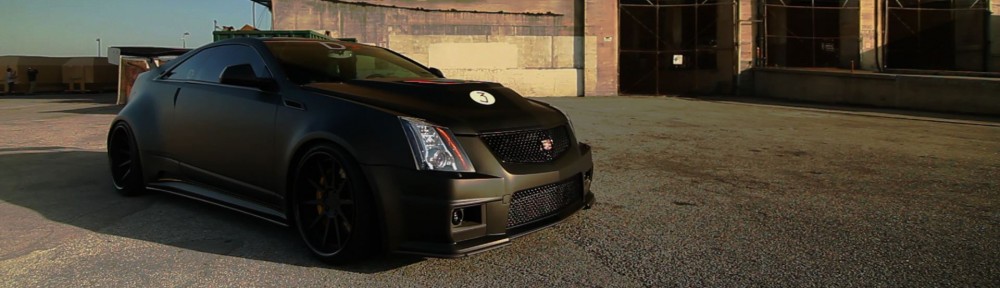
2014 Cadillac ELR

The lead designer and head engineer of the Cadillac ELR stop by Jay Leno’s garage to show him the new car. The ELR is GM taking the technology Volt and moving it into a premium market. The powertrain is based off of the one in the Volt but is recalibrated for a little more performance. Most importantly, the chassis of the ELR is larger and is no longer an obvious tie-in to the Chevy Cruze like the Volt is. Cadillac’s very successful angular design language is also present on the ELR. I find it interesting that the car technically didn’t need a front grill but they added one purely to keep the styling coherent. I think the ELR is a very encouraging sign for the electric vehicle market. It’s a start to shedding some of the styling, luxury and performance compromises that people are not willing to make to drive EV’s.


Source: Jay Leno’s Garage on YouTube

Illegally Fast Lap at Bathurst

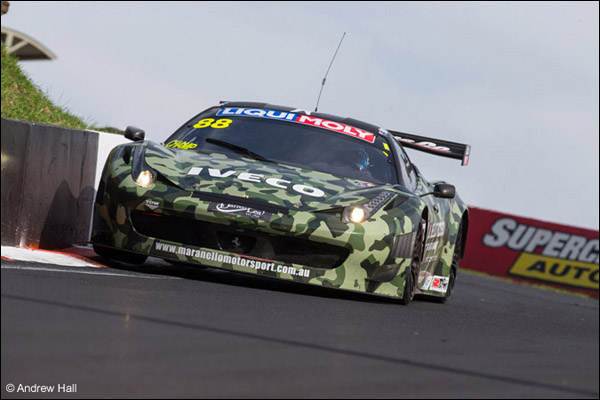
MaranelloFerrariThis is the raw on-board footage of Allan Simonsen piloting the Maranello Motorsports Ferrari 458 Italia for an illegally fast qualifying lap for the Liqui-Moly 12 Hours of Bathurst endurance race. The teams were not allowed to qualify faster than a 2:06 and this lap clocked in at 2:05.49 with traffic. Maranello was assigned 50 kg of penalty weight and the time from this lap was thrown out. Though this seems kind of harsh, the speed of the cars is limited to keep competition fair and development costs down for the good of the entire racing series. Watch the video to see a beautiful performance through one of my favorite tracks in the world:


Source: SpeedcafeTV on YouTube

Nissan V8 Supercars VK-56 Engine

Todd Kelly from Nissan Motorsports is here to give us a tour of the Nissan VK-56 that powers the Nissan Altima that debuted in the Australian V8 Supercar series this year. The teams have faced a big research and development challenge since the VK is pretty different from what Holden and Ford run in the series in that the blocks and heads are aluminum production units and use dual overhead cams instead of pushrods. Watch the video to see what else had to be done to make the engines race ready:


Source: SpeedcafeTV on YouTube